Why AI Matching Outperforms Swipe-Based Dating Apps
A data-driven look at why psychometric matching produces better relationship outcomes than swiping on photos.
The average dating app user spends 90 minutes a day swiping — and matches with someone they actually meet less than 2% of the time. Something is fundamentally broken.
The Swipe Problem
Traditional dating apps optimize for one thing: engagement. The more you swipe, the more ads you see, the more likely you are to pay for boosts and super-likes. Your success as a user is secondary to your activity as a consumer.
This creates a perverse incentive: the app benefits when you stay single.
How Psychometric Matching Changes the Game
AvatarMatch takes a fundamentally different approach. Instead of judging compatibility from a 3-second photo impression, we build a psychometric profile — a multi-dimensional model of who you are:
- Communication style — how you express affection, handle conflict, share vulnerabilities
- Values alignment — what matters most to you in life and relationships
- Personality dynamics — Big Five traits, attachment patterns, emotional intelligence markers
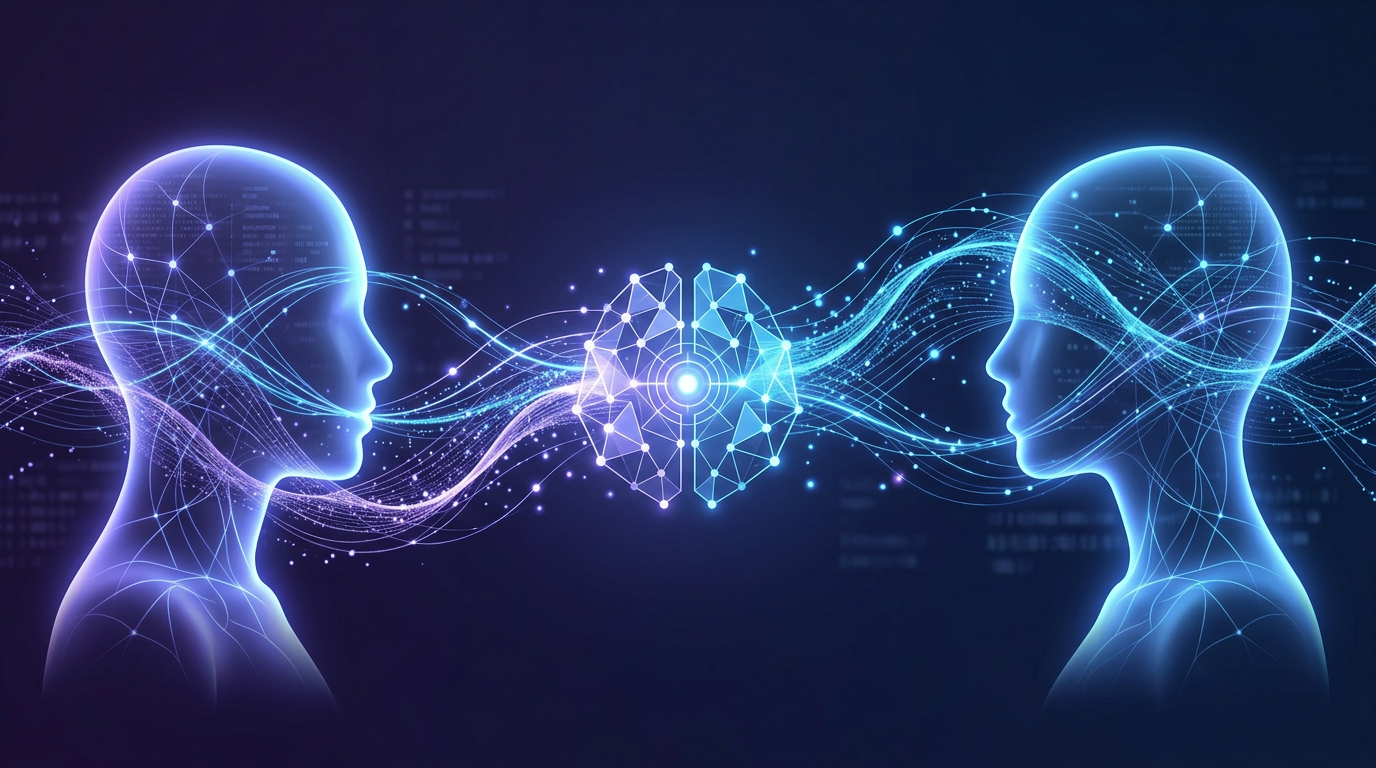
Your AI avatar then has real conversations with other avatars, testing compatibility through actual interaction rather than surface-level attraction.
The Data Speaks
Early AvatarMatch users report:
| Metric | Swipe apps | AvatarMatch |
|---|---|---|
| Matches that lead to a date | ~2% | ~34% |
| First-date satisfaction | 3.1/10 | 7.8/10 |
| Still talking after 30 days | ~8% | ~52% |
These numbers aren't magic — they're the natural result of matching on substance rather than surface.
Why Anonymity Matters
Your avatar represents your personality, not your photos. This eliminates:
- Lookism bias — attraction based solely on appearance
- Social desirability pressure — performing a "dating version" of yourself
- Snap judgments — the 7-second window that traditional apps give you
When two avatars click, then you reveal identities. The chemistry was already tested.
Getting Started
Creating your AvatarMatch avatar takes about 15 minutes. You answer a series of conversational prompts — no multiple-choice quizzes — and your digital twin starts connecting on your behalf.
Comments
No comments yet — be the first.